





 The following is taken from the National Suicide Prevention Lifeline’s website:
The National Suicide Prevention Lifeline, www.suicidepreventionlifeline.org provides free and confidential emotional support to people in suicidal crisis or emotional distress 24 hours a day, 7 days a week. The phone number is 1-800-273-TALK (8255) Since its inception, the Lifeline has engaged in a variety of initiatives to improve crisis services and advance suicide prevention.
Risk factors are often confused with warning signs of suicide, and frequently suicide prevention materials mix the two into lists of “what to watch out for.” It is important to note, however, that factors identified as increasing risk are not factors that cause or predict a suicide attempt. Risk factors are characteristics that make it more likely that an individual will consider, attempt, or die by suicide. Protective factors are characteristics that make it less likely that individuals will consider, attempt, or die by suicide.
Risk Factors for Suicide
- Mental disorders, particularly mood disorders, schizophrenia, anxiety disorders and certain personality disorders
- Alcohol and other substance use disorders
- Hopelessness
- Impulsive and/or aggressive tendencies
- History of trauma or abuse
- Major physical illnesses
- Previous suicide attempt
- Family history of suicide
- Job or financial loss
- Loss of relationship
- Easy access to lethal means
- Local clusters of suicide
- Lack of social support and sense of isolation
- Stigma associated with asking for help
- Lack of health care, especially mental health and substance abuse treatment
- Cultural and religious beliefs, such as the belief that suicide is a noble resolution of a personal dilemma
- Exposure to others who have died by suicide (in real life or via the media and Internet)
Protective Factors for Suicide
- Effective clinical care for mental, physical and substance use disorders
- Easy access to a variety of clinical interventions
- Restricted access to highly lethal means of suicide
- Strong connections to family and community support
- Support through ongoing medical and mental health care relationships
- Skills in problem solving, conflict resolution and handling problems in a non-violent way
- Cultural and religious beliefs that discourage suicide and support self-preservation
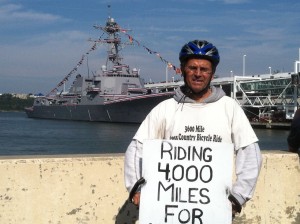 Today in New York City the US Navy officially commissioned the USS Michael Murphy which is named for Navy SEAL, Michael Murphy who lost his life in Afghanistan while trying to save the lives of the other members of his SEAL team.
 I have known Brad Owen for more than 20 years and have always admired his caring nature. Two years ago I contacted him about managing and making some major updates to the One Million Acts Of Kindness website. He and I talked through those changes and that I didn’t have funds budgeted for a design change, it is then that his caring side overrode his business side and he “volunteered” his firm to do the necessary work. He has been working passionately, behind the scenes, to keep this website up to date and easy to navigate. I would recommend his firm, Creavos,
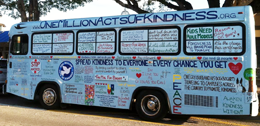
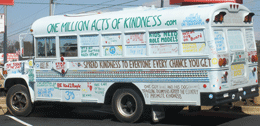
 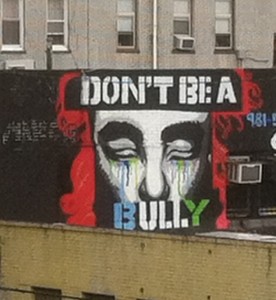 The Kindness Bus and Bogart were spotted in DUMBO this past weekend by a News 12 Brooklyn reporter. I was contacted by Philip their producer about doing a piece on One Million Acts Of Kindness and the interview took place today. Justin Gunn and Steven Harasymiak, the 2 reporters who came out for the interview wanted to know all about the founding of One Million Acts Of Kindness and of course, all about Bogart. Bogart must have doing his best to let everyone who passed by The Kindness Bus about his existence on the face of the earth. He is a bigger “ham” than I.
 I visited The Jed Foundation in Manhattan today to talk with John MacPhee, its Executive Director. Being the leading organization addressing issues related to mental health and suicide in the college population, I felt the necessity of letting them know about my upcoming Ring Our Country with Kindness ride.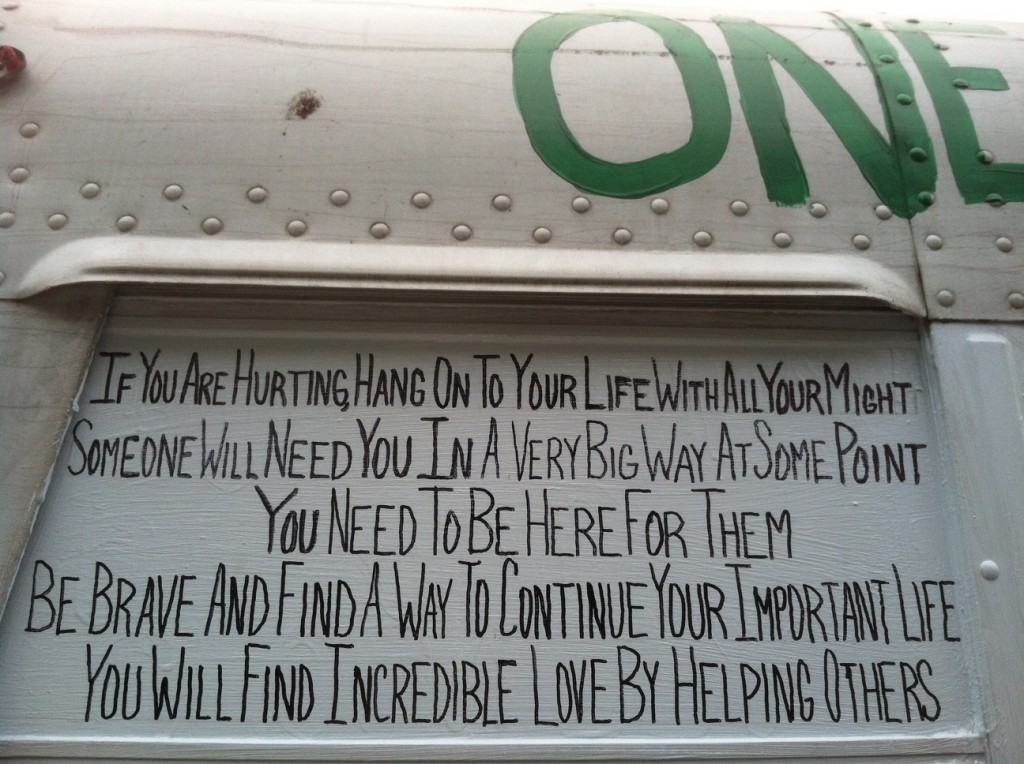
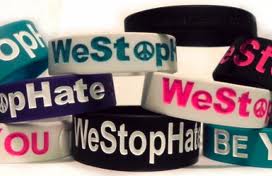 I met Emily-Anne Rigal on the set of GimmeMo a couple of nights ago. Two years ago, at the age of 16, Emily-Anne founded We Stop Hate because she wanted to share her story about overcoming bullying. She created a website where others could share their stories and help them overcome the hurt caused by bullying. She is a driving force, helping kids realize the power of “teen esteem.” Everyone is urged to write letters to themselves as a reminder of the positive aspects of their lives. Teens who are happy won’t put others down.